Psychedelic-assisted Therapy
Could plant-based substances such as DMT hold the key to future mental health care?

Image credit | Shutterstock
Ancient civilisations have been using plant-derived hallucinogens for thousands of years, with evidence of psychedelic cave art predating recorded history.
Rather than experimenting for hedonistic pleasure, entheogens were historically used for sacred and ritualistic purposes, interspecies communication, spiritual enlightenment — and most notably — medicinal healing.
The ‘use’ of psychedelics can be separated into three distinct categories known as the three waves of change. The first relates to the ancient ceremonial practices of indigenous shamans, the second is linked to the counterculture of the 1960s, and the third — and current wave — is inspired by the psychedelic renaissance.
One of the world’s most potent hallucinogenic substances is the naturally occurring chemical, N,N-Dimethyltryptamine — or DMT.
Affectionately known as the ‘spirit molecule’, DMT has been used for centuries by indigenous tribes of the Amazon. Today, the ancient psychotropic is re-entering the confines of modern medicine to treat a range of conditions such as anxiety, addiction, chronic PTSD, and treatment-resistant depression.

Image credit | Shutterstock
As the world enters a new ‘golden age’ of psychedelics, negative public opinions — fuelled by the ‘War on Drugs’ — have led to harmful messaging and serious setbacks in scientific research and discovery.
Is it time to reframe the drug narrative and welcome hallucinogenic substances into mainstream medicine, and is psychedelic-assisted therapy the future of mental health care?
Defining psychedelic drugs
The term ‘psychedelic’ derives from the Ancient Greek words psychē (mind or soul) and dēloun (to reveal), translating literally as ‘soul-revealing’ — psychedelics are a class of psychoactive substances that alter the mind and induce a heightened state of consciousness.
Hallucinogenic plants, fungi, and animal species have long been used as central tools in ancient shamanic healing practices. In fact, some scholars have suggested that entire societies were created in ‘symbiotic cohabitation with these naturally occurring compounds.’
Despite decades of controversy and stigma, psychedelic drugs are finally returning to the world of medicine. Hallucinogens such as psilocybin, LSD, and DMT have re-entered the mainstream mental health space and are being used for cutting-edge medical research and clinical treatments.
Tripping in the tropics
Image credit | Shutterstock
Jamie’s first experience with psychedelic drugs was during a six-month trip through South East Asia. While beach bar hopping with a friend in Laos, they noticed that one of the venues was offering mushroom shakes — a smoothie containing hallucinogenic fungi.
Being the “Billy big bollocks” that he was — and possessing a high tolerance to drugs — Jamie recalls confidently knocking back his entire shake.
The beginning of the trip was “very fun indeed” — lots of “rolling around on the floor, hysterical laughter, fantastic…”
But the rapture was short-lived.
Jamie’s magic mushroom trip lasted an agonising 16 hours and his once euphoric high, quickly spiralled towards a “deep, dark, awful place”.
Unable to fall asleep that night, he was confronted by a myriad of “forever changing faces” — they just “wouldn’t go away”.
On his return to England, the facial silhouettes continued to haunt him, and it was during that time that Jamie vowed to never “go near them ever again”.
He recalls thinking that if hallucinogenic drugs “are that strong and they mess with your mind that much”, then he was done — “so that was me, I was off psychedelics”.
Jamie had all but forgotten about his Laotian ‘trip’ until an interest in Buddhism and spirituality led him to the much-loved British philosopher and author, Alan Watts. After following the 20th Century ‘philosophical entertainer’ for some time, Jamie eventually discovered the radical American psychonaut, Terence Mckenna and his ground-breaking work with psychedelic substances.
Often referred to as the ‘Timothy Leary of the 1990’s’, Mckenna was one of, if not the most outspoken psychedelic proponents of his time.
The late author and ethnobotanist was particularly interested in naturally-occurring substances — otherwise known as entheogens — and believed DMT and ayahuasca to be the very pinnacle of the psychedelic experience.
Jamie developed a keen interest in Mckenna’s enthusiasm for psychedelic drugs — specifically DMT. He remembers being “intrigued” by the American’s spiritual awakening through the use of hallucinogenic plants and began “listening to all his studies (and) trip reports”.
First wave
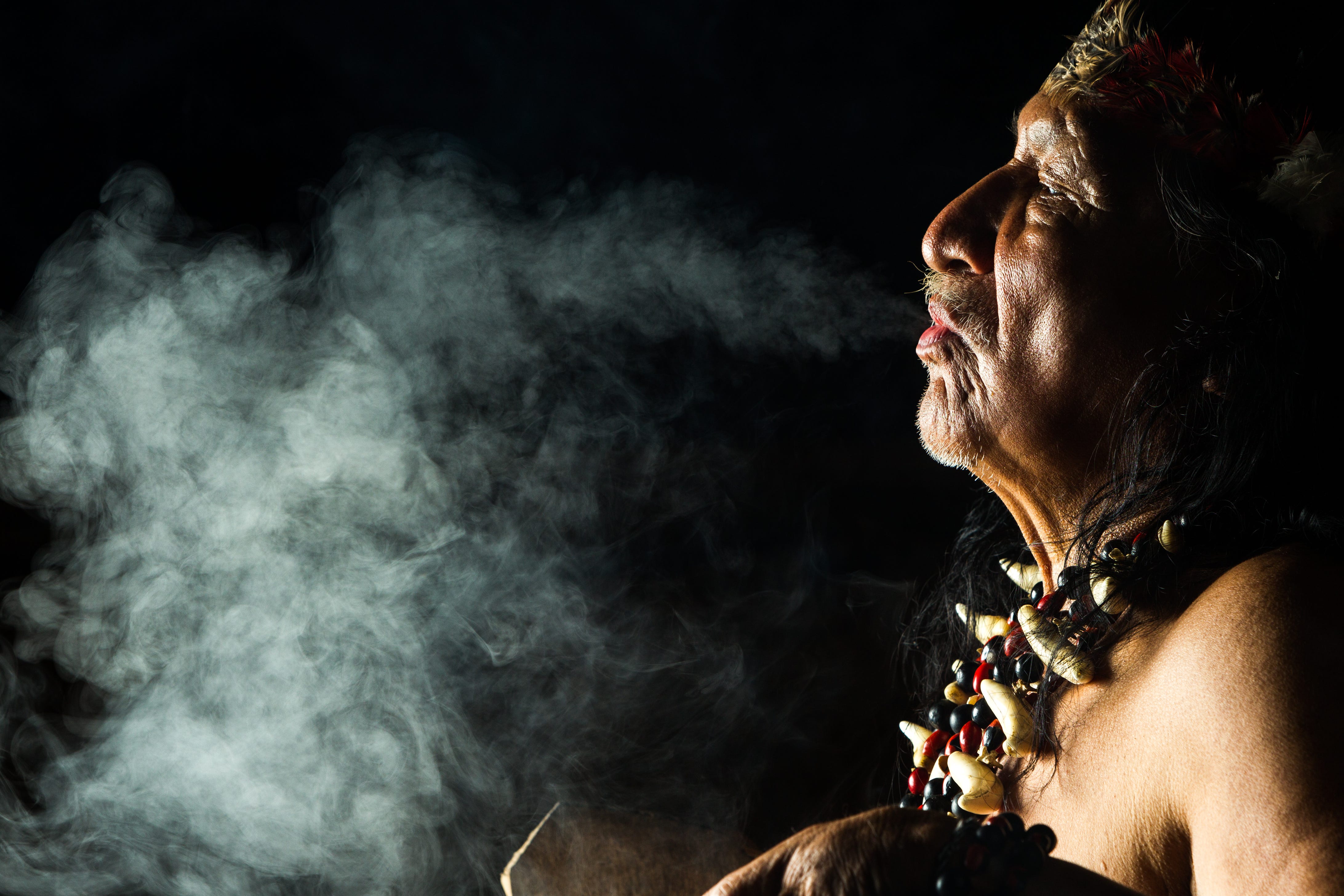
Image credit | Shutterstock
Societies in the ancient world have been using psychoactive substances for thousands of years, with the earliest evidence of psychedelic use dating back to 9,000 BC in the form of cave art.
Traditional shamanism was the earliest form of mediumship — medicine men would transcend time and communicate between the physical and spiritual worlds for the purpose of alleviating pain and suffering.
The desired ‘altered state of consciousness’ — synonymous with psychedelic use — was attained by applying a number of different techniques, with a medical or healing component almost always present in the methods of practice.
Some of the more commonly used psychotropics in ancient times — known today as classic psychedelics — included magic mushrooms (psilocybin), lysergic acid amides (LSD), and N,N-Dimethyltryptamine (DMT).
Arguably one of the most mysterious psychoactive compounds in psychedelia, DMT has been used for thousands of years by indigenous tribes of the Amazon rainforest.
The hallucinogenic tryptamine can be found in hundreds of plant species and is best known for being the psychoactive compound present in ayahuasca — a South American entheogenic brew.
But despite its ancient use as a visionary agent in the Amazonian medicine, DMT — as an isolated compound — is far more recent.
Western science first became aware of the ancient psychedelic in 1931 after it was synthesized in a laboratory by Canadian chemist, Richard Manske. However, it would take another two decades for the drug’s hallucinogenic properties to be realised.
Hungarian-born biochemist and psychiatrist, Stephen Szára was first to research the drug’s psychotropic effects, dedicating his career to exploring the role of DMT — and psychedelics more broadly — in psychotherapy.
“Business man’s high”

Image credit | Shutterstock
Through Mckenna, Jamie discovered “freebase DMT” — the ‘pure alkaloidal form’ of N,N-Dimethyltryptamine
The freebase method — which involves smoking the DMT crystals — allows for an incredibly powerful but short-acting hallucinogenic trip, with the drug’s psychedelic effects lasting just 15 minutes. This technique is known as the ‘business man’s high’.
After devoting hours of his time to psychedelic research — and “through the powers of the dark web” — Jamie managed to source one of the world’s most powerful molecules in psychedelia.
He recalls how “obsessed” he became when discovering the Schedule 1 drug for the first time — “I was telling everybody about it, I wanted everybody to take it…to experience what I had experienced!”
At the beginning of his DMT journey, Jamie admits that his early trips were “very recreational”.
But after years of casual use, he acknowledged that his relationship with the hallucinogenic tryptamine needed to change — “I didn’t fully understand what I was getting involved with and that can be dangerous”
So, armed with a deeper level of respect, he broadened his online research and eventually discovered the psychedelic hyperspace — where users are transported to a distant realm and are met by various sentient and autonomous entities.
Jamie became intrigued by these extra-dimensional beings — known as ‘machine elves’ — and yearned to meet them. But the “jesters and self-dribbling basketballs” never appeared in his early trips.
He soon realised that in order to truly cross over and enter the third realm of DMT — known as ‘no man’s land’ — he would need to experience a breakthrough.
So after hours of researching successful breakthrough trips, Jamie went round to a mate’s place for a session.
Determined to push past the veil and enter the DMT cosmos, he “hit the pipe once…twice…” before losing consciousness.
And to his amazement, “it actually happened!”
Second wave
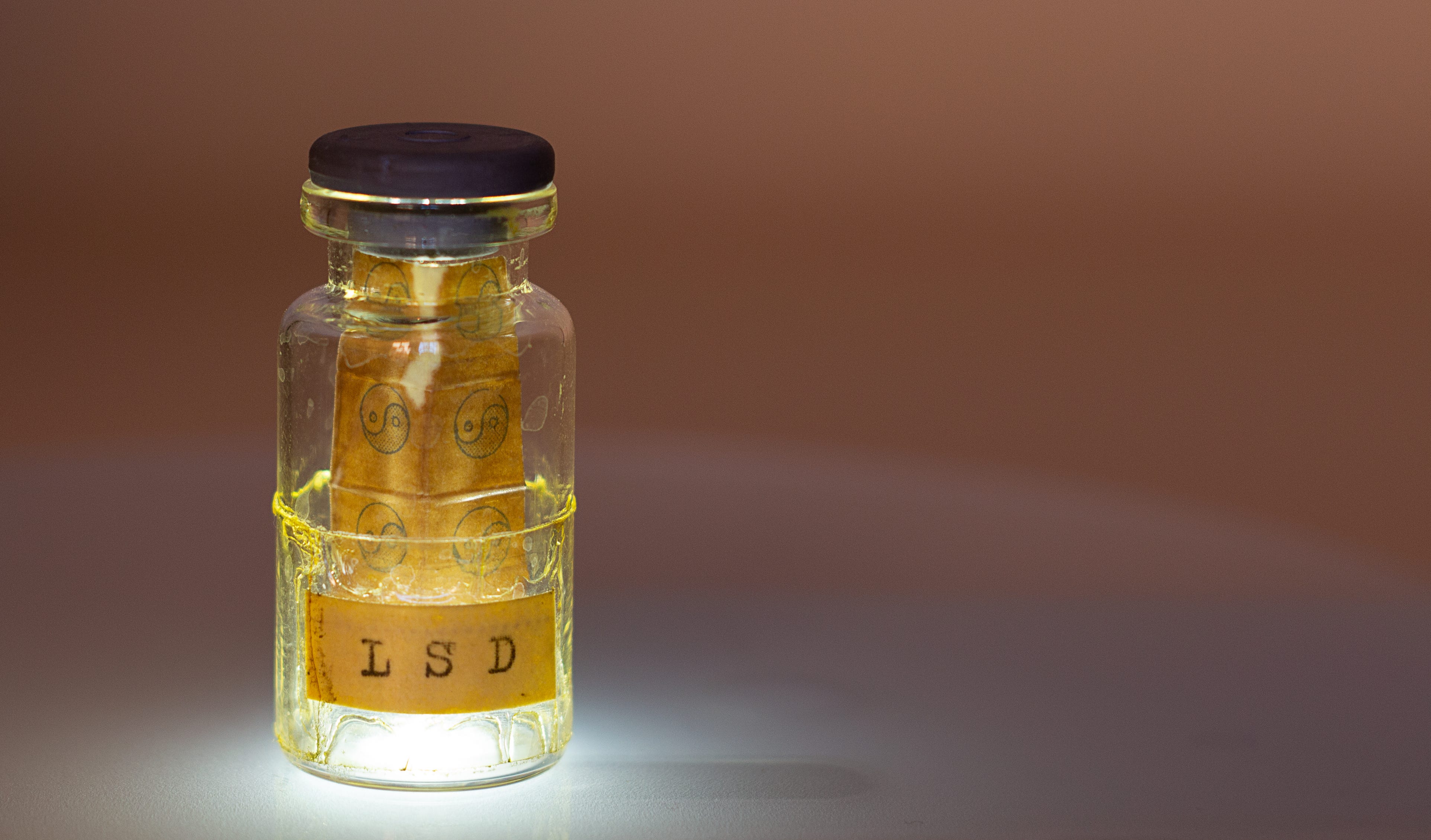
Image credit | Shutterstock
Seven years after the initial synthesis of DMT, Swiss chemist Albert Hofmann was the first to ingest, study, and synthesise the psychedelic drug, lysergic acid diethylamide, otherwise known as LSD. However, it wasn’t until 1943 — five years after the scientist’s original discovery — that the drug’s profoundly psychoactive effects were realised.
While researching the synthesis of a lysergic acid compound (LSD-25), Hofmann unintentionally took the first known dose of LSD by exposing his bare skin to the potent agent.
He described his accidental trip as ‘not unpleasant’ — recalling a surge of “unprecedented colours and plays of shapes that persisted behind (his) closed eyes”.
According to acclaimed author and journalist, Michael Pollan, Hofmann’s contribution led to the medical use of LSD in clinical applications.
Psychiatrists and general practitioners alike were gaining access to the hallucinogenic drug — and over the following two decades — LSD was administered to patients suffering from a range of mental health conditions including ‘anxiety, depression, psychosomatic diseases, and addiction.’
Pollan argues in his award-winning book, How to Change Your Mind: The New Science of Psychedelics, that the arrival of LSD can be ‘linked to the revolution in brain science’ that began in the 1950s — when the ‘role of neurotransmitters in the brain’ was first discovered.
Scientific research has since revealed LSD’s ‘profound consciousness-altering effects’ in freeing the brain from its ‘natural barriers’ — allowing neurons that otherwise wouldn’t communicate, to have ‘unusual conversations.’
Twelve years after Hofmann’s medical breakthrough, Manhattan banker and amateur mycologist, R. Gordon Wasson sampled magic mushrooms in the southern Mexican state of Oaxaca. Despite the fungi being used for thousands of years among indigenous peoples of Mexico and Central America, those in the west remained largely unaware of its hallucinogenic properties.
It wasn’t until the weekly news magazine, Life published Wasson’s story in 1957 titled, Seeking the Magic Mushroom, that news of a ‘new form of consciousness’ reached the outside world.
But the arrival of these two compounds also coincided with the counterculture and hippy movement of the 1960s. ‘Dropping acid’ became a rite of passage for many disillusioned young adults who openly rejected mainstream society and its cultural mores.

Image credit | Shutterstock
The stigma and unpredictable nature of recreational drug use meant that incorporating psychedelics into western medicine was proving problematic.
After decades of ground-breaking studies and therapeutic treatments, then US president Richard Nixon introduced the Controlled Substances Act (CSA) in an effort to regulate potentially harmful narcotics. Possessing psychedelic substances became a ‘federal offence’ and government-sanctioned research was prematurely abandoned.
The CSA classified drugs into five categories, with schedule 1 substances considered unsafe, to have no clinical value, and to have a high potential for abuse or addiction.
Classic hallucinogens were placed in the most restrictive category, putting an end to large-scale controlled studies and any significant research into the pharmacology and medical value of psychedelics for the next three decades.
Fast forward to the early 1990s and something unforeseen was emerging among a select group of scientists, psychotherapists, and supposed ‘psychonauts’.
Convinced that something valuable had been stolen from both science and culture, the next generation of researchers resolved to revive the golden age of psychedelics by re-introducing these mind-altering drugs into conventional medicines.
DMT breakthrough
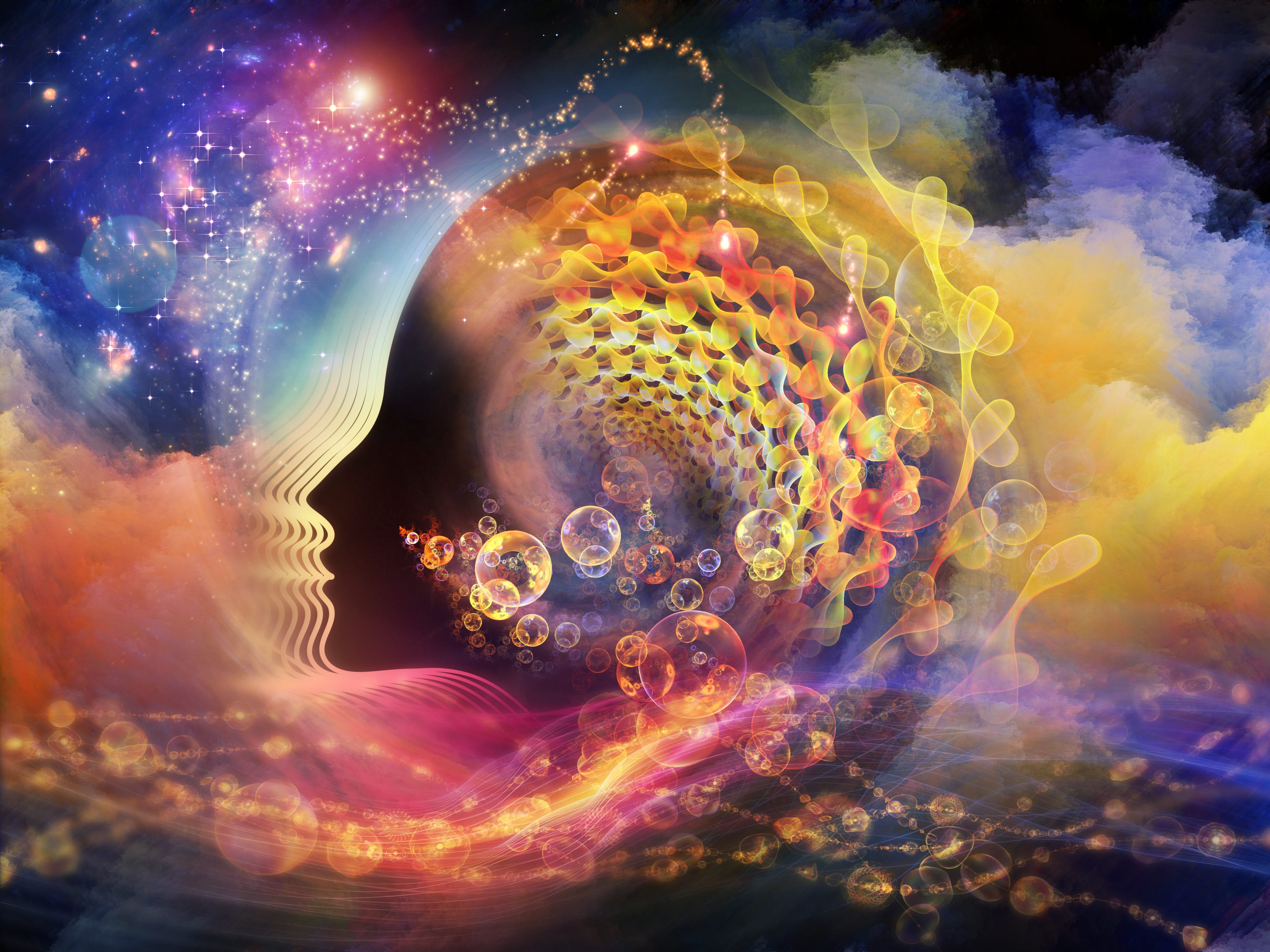
Image credit | Shutterstock
Having experienced “the incredible patterns and colours and waves”, Jamie remembers the moment he finally crossed over to DMT’s third and final realm — “I’d blasted through this tunnel of light” he recalls, “I was in this incredible sky of blues and pinks and oranges.”
Jamie hadn’t met God, he “was God”. No longer a separate entity, the Heavenly Father had become the embodiment of “everything and everyone”.
“I’m not a religious person at all” he admits, but “it felt like I had died and gone to heaven”.
In that moment, the spirit molecule had stripped Jamie of any memories. He no longer had a self, he was “nothing”.
Feelings of anger and resentment towards those he loved the most had all but vanished and were replaced by feelings of pure, unadulterated love.
It was “utter complete euphoria”.
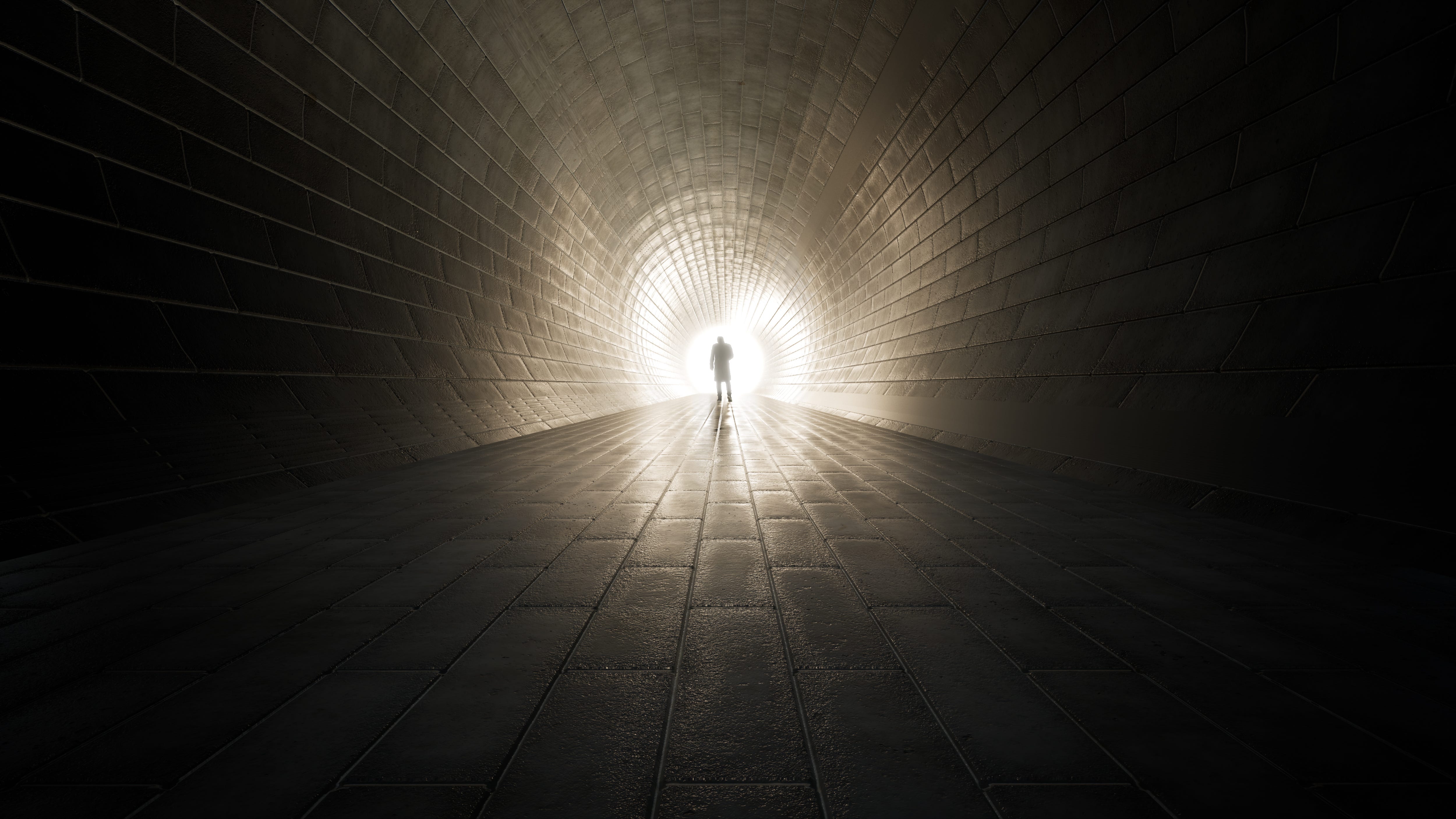
Image credit | Shutterstock
For much of his young adult life, Jamie suffered from depression and chronic anxiety. He was eventually prescribed antidepressants, but the pills only numbed the pain and blunted his personality.
With conventional medicine failing to get “to the root cause of (his) anxiety”, Jamie eventually turned to more traditional methods of treatment.
As the world enters a mental health crisis, Jamie reveals his disappointment and frustration with the government’s decision to classify hallucinogens as Schedule I drugs.
“I just think we need to hurry up and legalise them now” he presses, “there are huge benefits to these substances (…) far superior to anything big pharma is offering”.
Despite promising clinical trials and cutting-edge scientific research, psychedelics are still considered drugs of abuse — “it’s utterly horrifying” he says, “how can they be put in the same category as crack cocaine, heroin, meth…it just doesn’t seem right”.
“Because they fall into a Class A category, they’re called drugs” Jamie reveals, “they have such a bad rep”.
Referring to these ancient hallucinogens as medicines rather than drugs may be the first step in addressing the shame associated with psychedelic use — “they’re plants” he argues, “and they do serve a purpose”.
Third wave
Unlike the countercultural movement of the 1960s, today’s third wave of psychedelic exploration is deeply rooted in culture. Rather than simply ‘dropping out’, the renaissance represents a new era in psychiatry — a re-emerging therapeutic paradigm of psychedelic medicine.
One outspoken advocate who has tirelessly campaigned for improved research opportunities and evidence-based drug policies, is renowned neuroscientist and research officer at Awakn Life Sciences, Professor David Nutt.
Prof. Nutt and his team at Imperial College London have dedicated the last 15 years to rigorous psychedelic research.
Studies revealed that classic hallucinogens have structural similarities — “they’re all serotonin-acting drugs” Nutt says. Each compound operates on a serotonin receptor called the 5-hydroxytryptamine (5-HT), a naturally occurring neurotransmitter that regulates mood, cognition, and memory.
Having completed ground-breaking research into psilocybin-assisted therapy for depression, the team also plans to conduct further clinical trials with patients suffering “anorexia, obsessive compulsive disorder (OCD), and chronic pain syndromes”.
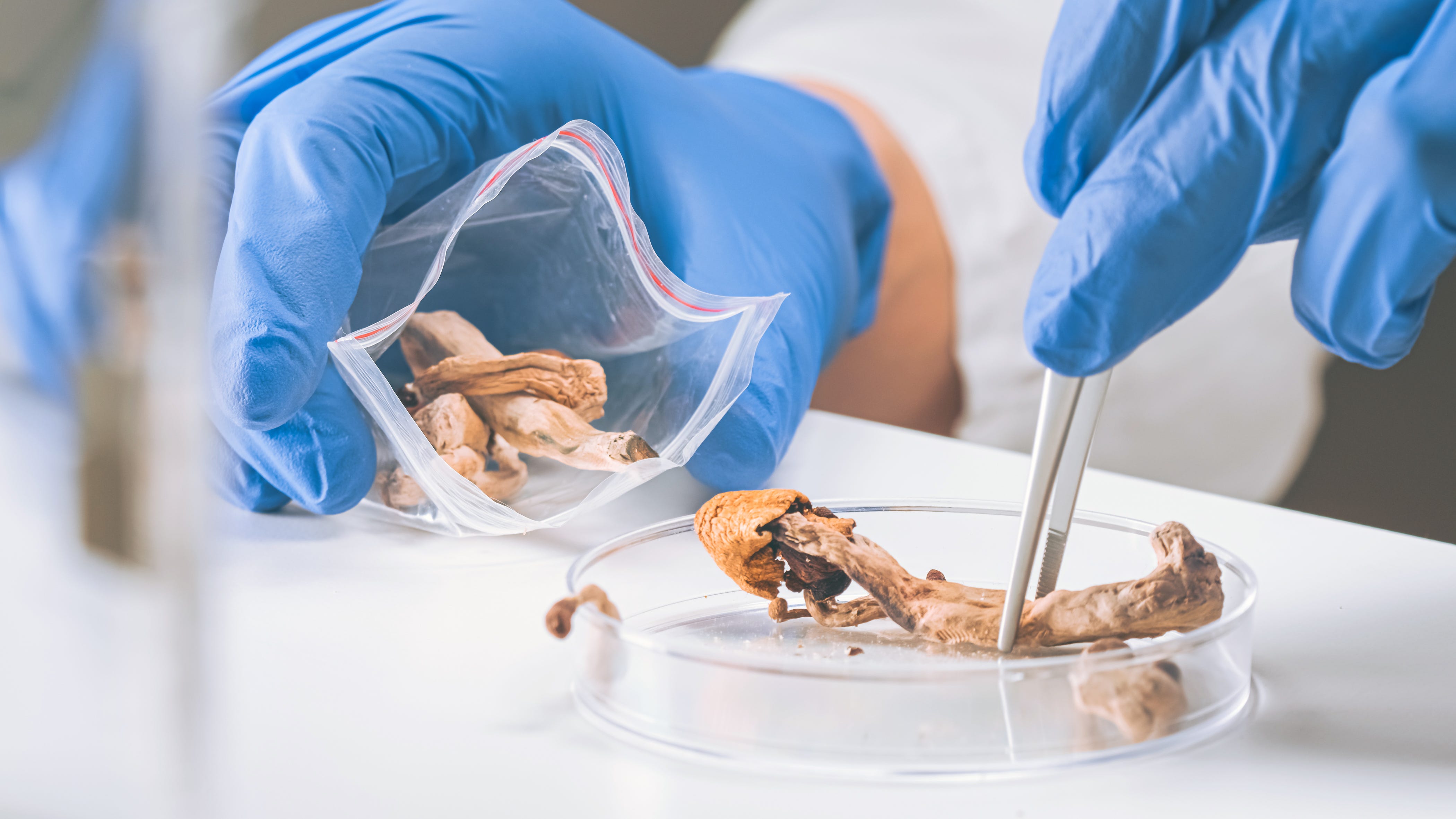
Image credit | Shutterstock
Unlike LSD, MDMA and psilocybin, there has been very little clinical research involving DMT. In fact, only recently did Small Pharma — in partnership with Imperial College London — launch the world’s first DMT clinical trial for depression.
Chief Investigator of the Phase I study, David Erritzoe released a statement revealing the trial’s “promising results”, with DMT-assisted therapy showing potential to offer both patients and medical practitioners “real benefit in terms of treatment regimen”.
A study published in 2018 found that DMT had profound effects on human consciousness — capable of inducing ‘structural changes’ within the brain by stimulating ‘synapse formation’ and promoting neuroplasticity.
The hallucinogenic tryptamine also has a clinical advantage over its longer-acting psychedelic cousins. The ability to reach peak subjective experience in just two minutes — as opposed to hours — allows DMT to be used more effectively in clinical settings.
If able to deliver similar benefits to psilocybin therapy — but at a considerably lower cost — experts believe that DMT ‘would be the superior medicine’.
Despite hallucinogens remaining Schedule 1 drugs, attitudes — and policies —are slowly shifting.
Several U.S. states are revising their legal framework and have introduced major laws that promote decriminalisation and access to psychedelic therapy and research.
With increased government funding to support psychedelic drug trials, Australia is expected to follow America’s lead in the coming years.
Despite widespread concerns over the safety and efficacy of this radical new treatment, Nutt remains confident that psychedelics will play a significant role in the future of psychiatry.
“We’ve got to do something different” he says, “we’ve got to go back to a scientific knowledge-base and restore these drugs to the previous value they had”.
References
Australian Government. 2021. [online] Available at: <https://www.tga.gov.au/resources/publication/scheduling-decisions-final/notice-final-decisions-amend-or-not-amend-current-poisons-standard-relation-psilocybin-and-mdma> [Accessed 10 October 2022].
Awakn Clinics. 2022. Awakn Life Sciences - Revolutionary Treatments for Addiction. [online] Available at: <https://awaknclinics.com/> [Accessed 16 August 2022].
Beard, D., 2021. Changa vs. DMT: What You Need to Know | Reality Sandwich. [online] Reality Sandwich. Available at: <https://realitysandwich.com/changa-vs-dmt/> [Accessed 10 October 2022].
Berry, S., 2022. Michael Pollan changed his own mind with psychedelics. Now he’s changing others’. [online] Smh.com.au. Available at: <https://www.smh.com.au/lifestyle/health-and-wellness/michael-pollan-changed-his-own-mind-with-psychedelics-now-he-s-changing-others-20220714-p5b1lg.html> [Accessed 10 October 2022].
Dagenhard, C., 2022. Promising Psychedelic Therapy Legislation Set to Make Waves in 2022. [online] Psychedelic Spotlight. Available at: <https://psychedelicspotlight.com/psychedelic-therapy-decriminalization-legislation-north-america-2022/> [Accessed 10 October 2022].
Dalzell, S., 2021. Can psychedelics treat mental illness? The government's keen to find out. [online] Abc.net.au. Available at: <https://www.abc.net.au/news/2021-03-17/federal-government-research-psychedelics-treat-mental-illness/13256584> [Accessed 10 October 2022].
DEA. 2022. Drug Scheduling. [online] Available at: <https://www.dea.gov/drug-information/drug-scheduling> [Accessed 10 October 2022].
DMT Times. 2022. DMT Entities — DMT Times. [online] Available at: <https://dmttimes.com/dmt-entities> [Accessed 10 October 2022].
Dubey, G., 2021. What is DMT? Exploring One of Psychedelia’s Most Mysterious Molecules. [online] Microdose. Available at: <https://microdose.buzz/news/what-is-dmt-exploring-one-of-psychedelias-most-mysterious-molecules/> [Accessed 10 October 2022].
Dupuis, D., 2021. Psychedelics as Tools for Belief Transmission. Set, Setting, Suggestibility, and Persuasion in the Ritual Use of Hallucinogens. Frontiers in Psychology, [online] 12. Available at: <https://www.ncbi.nlm.nih.gov/pmc/articles/PMC8651242/>.
E. Nichols, D., 2016. Psychedelics. [ebook] PubMed Central. Available at: <https://www.ncbi.nlm.nih.gov/pmc/articles/PMC4813425/> [Accessed 10 October 2022].
Fitzpatrick, S., 2018. Ancient psychoactive substances. Gainesville [etc.]: University press of Florida.
Francuski, X., 2019. Ayahuasca - The Science of the Vine – Psychedelics Today. [online] Psychedelics Today. Available at: <https://psychedelicstoday.com/2019/08/26/ayahuasca-the-science-of-the-vine/> [Accessed 10 October 2022].
Fuentes, J., Fonseca, F., Elices, M., Farré, M. and Torrens, M., 2020. Therapeutic Use of LSD in Psychiatry: A Systematic Review of Randomized-Controlled Clinical Trials. Frontiers in Psychiatry, [online] 10. Available at: <https://pubmed.ncbi.nlm.nih.gov/32038315/> [Accessed 10 October 2022].
Hagenbach, D., Werthmüller, L. and Grof, S., 2013. Mystic Chemist. La Vergne: Synergetic Press.
Hollister, L., 1997. Szara, Stephen – Center for the Study of the History of Neuropsychopharmacology. [online] Cshn.semel.ucla.edu. Available at: <https://cshn.semel.ucla.edu/2022/03/11/szara-stephen/> [Accessed 10 October 2022].
Imperial College London. 2022. Centre for Psychedelic Research. [online] Available at: <https://www.imperial.ac.uk/psychedelic-research-centre/> [Accessed 10 October 2022].
Inc., S., 2022. World’s First Clinical Trial for DMT-Assisted Therapy in Major Depressive Disorder Shows Consistent Quality of Psychedelic Response in Phase I. [online] GlobeNewswire News Room. Available at: <https://www.globenewswire.com/news-release/2022/02/22/2389340/0/en/World-s-First-Clinical-Trial-for-DMT-Assisted-Therapy-in-Major-Depressive-Disorder-Shows-Consistent-Quality-of-Psychedelic-Response-in-Phase-I.html> [Accessed 10 October 2022].
Landis-Hanley, J., 2021. Australian government backs psychedelic drug clinical trials to treat mental illness. [online] the Guardian. Available at: <https://www.theguardian.com/australia-news/2021/mar/18/australian-government-backs-psychedelic-drug-clinical-trials-to-treat-mental-illness> [Accessed 10 October 2022].
Legislation.gov.au. 2022. Poisons Standard October 2022. [online] Available at: <https://www.legislation.gov.au/Details/F2022L01257/Html/Text#_Toc93920874> [Accessed 10 October 2022].
Lopez, G., 2017. The 3 deadliest drugs in America are legal. [online] Vox. Available at: <https://www.vox.com/2014/5/19/5727712/drug-alcohol-deaths> [Accessed 10 October 2022].
Ly, C., Greb, A., Cameron, L., Wong, J., Barragan, E., Wilson, P., Burbach, K., Soltanzadeh Zarandi, S., Sood, A., Paddy, M., Duim, W., Dennis, M., McAllister, A., Ori-McKenney, K., Gray, J. and Olson, D., 2018. Psychedelics Promote Structural and Functional Neural Plasticity. Cell Reports, [online] 23(11), pp.3170-3182. Available at: <https://www.ncbi.nlm.nih.gov/pmc/articles/PMC6082376/> [Accessed 10 October 2022].
Madras, B. and Kuhar, M., 2013. The effects of drug abuse on the human nervous system. Academic Press.
Michael, G., 2021. DMT and the Nature of Reality. [online] Available at: <https://www.researchgate.net/publication/355208224_DMT_and_the_Nature_of_Reality> [Accessed 10 October 2022].
Mindmedicineaustralia.org.au. 2022. Clinical Trials · Mind Medicine Australia. [online] Available at: <https://mindmedicineaustralia.org.au/clinical-trials/> [Accessed 10 October 2022].
Nutt, D., 2019. Psychedelic drugs—a new era in psychiatry?. Dialogues in Clinical Neuroscience, [online] 21(2), pp.139-147. Available at: <https://pubmed.ncbi.nlm.nih.gov/31636488/> [Accessed 10 October 2022].
Pollan, M., 2018. How to change your mind: The New Science of Psychedelics. 1st ed. Penguin UK.
Saplakoglu, Y., 2021. LSD alters consciousness by breaking down barriers in the brain. [online] livescience.com. Available at: <https://www.livescience.com/lsd-breaks-down-barriers-brain.html> [Accessed 10 October 2022].
Stone, K., 2021. Psychedelics and The Controlled Substances Act. [online] Psychable. Available at: <https://psychable.com/history/psychedelics-and-the-controlled-substances-act> [Accessed 10 October 2022].
Tayag, Y., 2017. On "Bicycle Day" Albert Hofmann Took the First LSD Trip. [online] Inverse. Available at: <https://www.inverse.com/article/14503-bicycle-day-albert-hofmann-lsd-acid-trip> [Accessed 10 October 2022].
The Organism.Earth Library. 2022. Alan Watts Documents. [online] Available at: <https://organism.earth/library/author/alan-watts> [Accessed 10 October
Third Wave. 2022. Ultimate Guide to DMT - Experience, Benefits, & Side Effects. [online] Available at: <https://thethirdwave.co/psychedelics/dmt/> [Accessed 10 October 2022].
Thoricatha, W., 2015. Psychedelic Pioneers: Terence and Dennis McKenna's Scientific and Cultural Legacy. [online] Psychedelic Times. Available at: <https://psychedelictimes.com/psychedelic-pioneers-terence-and-dennis-mckennas-scientific-and-cultural-legacy/> [Accessed 10 October 2022].
Tupper, K., Wood, E., Yensen, R. and Johnson, M., 2015. Psychedelic medicine: a re-emerging therapeutic paradigm. Canadian Medical Association Journal, [online] 187(14), pp.1054-1059. Available at: <https://www.ncbi.nlm.nih.gov/pmc/articles/PMC4592297/>> [Accessed 10 October 2022].
VICENews, 2021. The Rise of Psychedelic Therapies | News on Drugs. [video] Available at: <https://www.youtube.com/watch?v=Nah1u6EjNY0>[Accessed 10 October 2022].
Wasson, G., 2021. Seeking the Magic Mushroom — Trippingly. [online] Trippingly. Available at: <https://www.trippingly.net/lsd/2018/5/14/seeking-the-magic-mushroom> [Accessed 10 October 2022].
World Health Organization. 2022. "Depression: let’s talk" says WHO, as depression tops list of causes of ill health. [online] Available at: <https://www.who.int/news/item/30-03-2017--depression-let-s-talk-says-who-as-depression-tops-list-of-causes-of-ill-health> [Accessed 10 October 2022].